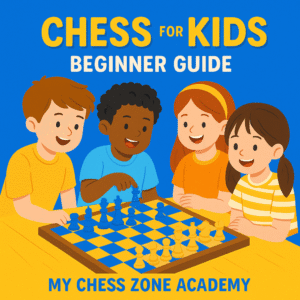
♟️ Chess for Kids – Complete Beginner Guide for Parents
Chess is one of the most powerful learning games for children. It teaches thinking skills, planning, focus, and decision-making, while also being fun to play. Many parents want to introduce chess early, but don’t know how to start. This simple beginner guide will help your child learn chess step by step in the easiest and most enjoyable way possible.
⭐ Why Chess Is Perfect for Kids
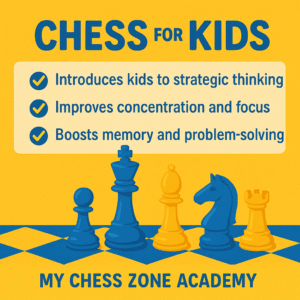
Chess develops many important skills such as:
-
Concentration
-
Logic
-
Problem solving
-
Memory
-
Creativity
-
Confidence
-
Patience
Kids play, learn, think, and improve—all at the same time. Unlike screen games, chess actually builds brain power.
⭐ What Age Should Kids Start Chess?
Children can begin learning basic moves from the age of 5 years. At this age, kids absorb patterns quickly and enjoy games naturally. Some children start at 6–8 and still improve very fast.
The best part is—chess suits every child, not only brilliant or “smart” kids.
⭐ Basic Chess Rules Every Kid Should Learn
Before learning strategy, teach these basics:
♟️ How each piece moves:
-
Pawn moves forward, captures diagonally
-
Rook moves straight lines
-
Knight jumps in L-shape
-
Bishop moves diagonally
-
Queen moves any direction
-
King moves one square
Let kids practice each piece separately—step by step.
⭐ Teach Check, Checkmate & Stalemate
Parents can use simple examples:
-
Check = king attacked
-
Checkmate = king cannot escape
-
Stalemate = draw
The easiest example:
-
Queen and King vs King checkmate
⭐ Use Fun Examples (Kids Understand Faster)
Instead of difficult explanations, use simple words like:
-
“Queen is the boss”
-
“Bishop walks like an X”
-
“Knight jumps like a horse”
-
“Rook is a tower guarding the king”
Fun language makes learning attractive.
⭐ Let Kids Play Mini Games
Best mini games:
-
Pawn vs pawn
-
Queen vs pawn
-
King + queen vs king
-
Knight catching pawns
Small games build confidence and understanding step by step.
⭐ Best Practice Routine for Kids
A good beginner routine is:
-
10 minutes basic moves
-
10 minutes puzzle
-
10 minutes playing a game
30 minutes per day is enough for 5–10-year-olds.
⭐ Importance of Puzzles for Beginners
Chess puzzles help kids:
-
See patterns faster
-
Understand tactics
-
Improve vision
-
Learn checkmates
-
Avoid mistakes
Start with 1-move checkmate puzzles.
Then slowly move to 2-3 moves later.
⭐ Avoid These Common Beginner Mistakes
Many new kids:
-
Move pieces without thinking
-
Forget the king safety
-
Don’t look at opponent’s plan
Teach them to always ask:
“What will my opponent do next?”
⭐ Best Online Tools for Kids
-
Chess.com
-
Lichess.org
-
Chesskid.com
-
Tactics Trainer
-
Online beginner lessons
These websites make learning simple and fun.
⭐ Role of Parents
Parents don’t need to know chess. Your job is simply to encourage your child, track progress, and provide a structured training plan through proper coaching.
⭐ Final Message for Parents
Chess is more than a game. It develops valuable life skills such as:
-
patience
-
planning
-
logical thinking
-
decision making
If your child loves playing chess, you should definitely help him learn properly at an early age.
📌 Suggested Call to Action (Bottom of the Blog)
👶 Want your child to learn chess from expert coaches?
👉 Book a Free Trial Class Today!
Free Trial Class – My Chess Zone
Related Articles
How Many Hours Should Kids Practice Chess Daily?
Why Every Child Should Learn Chess in 2025
What is Checkmate? Simple Explanation for Beginners
What is the Best First Move in Chess? Experts Explain
How to Teach Chess to Kids at Home (Even If You Don’t Know Chess)
How to Teach Chess to Kids at Home (Even If You Don’t Know Chess)
❓ Frequently Asked Questions (FAQ)
1. What is the right age for kids to start learning chess?
Most children start between 5 to 7 years, but some kids begin even earlier. Kids learn faster at a young age because their pattern recognition skills develop quickly.
2. Do parents need to know chess to teach their child?
No. Parents don’t need any chess knowledge. A trained chess coach and structured learning plan are enough. Parents only need to encourage and support children.
3. Does chess make kids smarter?
Yes! Research shows chess improves memory, logical thinking, problem-solving ability, concentration, and decision-making. Chess is one of the best brain development games for kids.
4. How long should kids practice chess daily?
30 minutes daily is enough for beginners. Younger kids between 5–10 years should have short but regular sessions instead of long sessions once a week.
5. Is online chess learning good for kids?
Yes. Online chess classes are flexible, interactive, and designed specially for children. With a good curriculum and expert teachers, kids can learn faster at home safely.
👉 Book a Free Trial Class Today!
Free Trial Class – My Chess Zone
#ChessForKids #BeginnerChess #KidsChess #ChessLearning #ChessEducation #LearnChessOnline #ChessCoaching #ChessClasses #ChessBeginners #ChessPractice #ChessParents #ChessKids #ChessStrategy #ChessTips #OnlineChess #ChessTraining #ChessTeacher #ChessCoach #ChessStudents #ChessAcademy #ChessCommunity #ChessIndia #OnlineChessClasses #KidsActivities #BrainDevelopment #LearningGames #ChessBrain #ChessSkills #ChessTactics #ChessLife #ChessFun #ChessMotivation #ChessOnline #ChessCoachOnline #ChessLearningPath #ChessBasics #ChessOpenings #ChessRules #ChessImprovement #ChessLessons #ChessMindset #ChessTrainingKids #ChessBeginnerKids #ChessEducationKids